
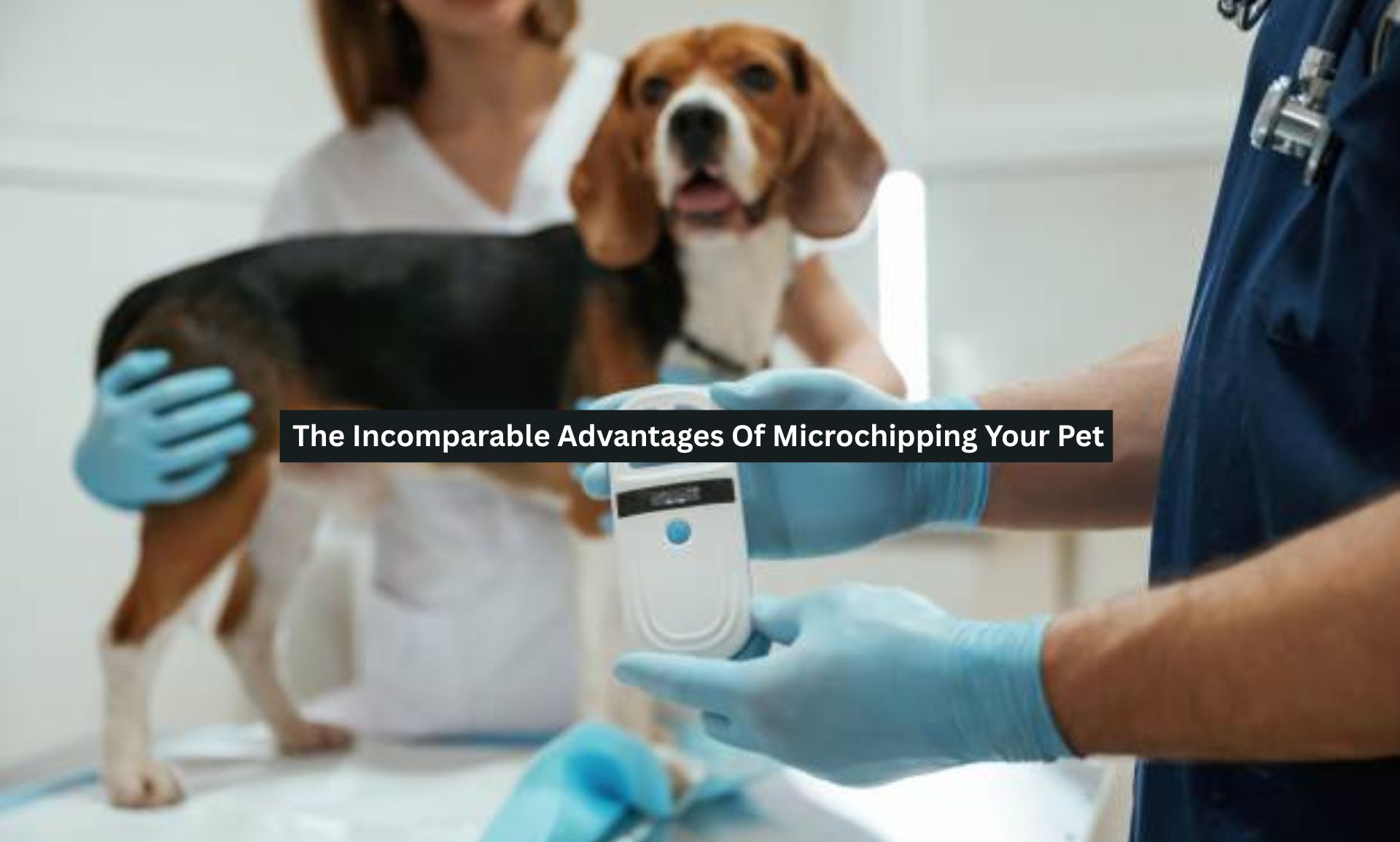
Permanentity is a significant benefit of microchipping. A microchip provides pets with a permanent identification, in contrast to tags and collars, which are easy to lose or remove. Because it is embedded beneath your pet’s skin, this tiny device cannot be tampered with and cannot be lost. Consequently, your pet can always be identified and returned to you, even if they lose their ID tag or if it wears out and becomes unreadable.
When You Microchip Your Pet, Your Chances Of Reuniting
According to statistics, pets with microchips have a significantly higher chance of being reunited with their owners than pets without microchips. The American Veterinary Medical Association (AVMA) says that dogs with microchips are returned to their owners at a rate of 52.2%, while dogs without them are only returned at a rate of 21.9%. The difference is even more striking when it comes to cats: 38.5% of microchipped cats are reunited with their owners, while only 1.8% of non-microchipped cats are. Microchipping your pet is a no-brainer because there is such a big difference in the number of pets who are successfully reunited with their families. Schedule a microchipping appointment with your veterinarian and update your contact information to prevent your pet from becoming a negative statistic.
The Procedure Of Microchipping Is Quick And Easy
Like getting a routine vaccine, microchipping is a quick and relatively painless procedure. Microchipping does not necessitate anesthesia and can be performed during a routine veterinary visit. The procedure is completed in a matter of seconds, and the majority of pets experience little discomfort. The microchip does not cause any pain or discomfort after it is inserted, allowing your pet to carry on with their normal activities without interruption.
Your Pet’s Microchip Provides Lifetime Protection
The fact that the device safeguards your pet for the rest of their life is one of the benefits of microchipping. The chip is permanent and does not need to be replaced or maintained once it is inserted into your pet.
A Pet With A Microchip Can Travel Internationally
A microchip is often required for your pet to enter many countries if you intend to travel internationally. As part of their animal importation policies, international regulations frequently require microchipping. By having your pet microchipped, you can be sure to follow these rules, which makes traveling easier and lowers your risk of being put in quarantine or denied entry. Additionally, microchipping makes it simpler to move between regions with distinct pet identification laws. You can travel with your pet with confidence knowing they meet the necessary legal requirements by adhering to a method of identification that is widely accepted.
The Use Of Microchips Helps Prevent Pet Theft
Thieves are less likely to steal a pet that has been microchipped because the permanent identification form makes it simpler to locate the animal and return it to its rightful owner. A microchip can be an essential tool for recovering your pet if it is stolen. It is more difficult to locate stolen pets because they are frequently sold or relocated far from their homes. A microchip provides undeniable proof of ownership, facilitating the return of your stolen pet to you by law enforcement and rescue organizations. The microchip immediately identifies your pet in the event that it is recovered and scanned, increasing the likelihood of a quick and successful reunion. You can rest easy knowing that your pet is always linked to you, even if they are taken, thanks to this extra layer of protection.
The Cost Of Microchipping Is Negligible
For pet identification, microchipping is a cost-effective option. The initial cost of microchipping is usually low, between $25 and $50, depending on where you live and the veterinary hospital you go to. You can avoid the emotional and financial strain of losing your pet as well as the potential costs of prolonged rewards or searches with this one-time investment. Microchipping is a cost-effective option in light of the potential costs of lost pets, such as printing flyers, providing rewards, and spending time looking for them. In addition, a lot of animal shelters and rescue groups offer microchipping services at a discount during special occasions or as part of bundles for adoption.